
Project information
Start date: January 2025
End date: December 2027
Location: Tana River County, Kenya
The Challenge
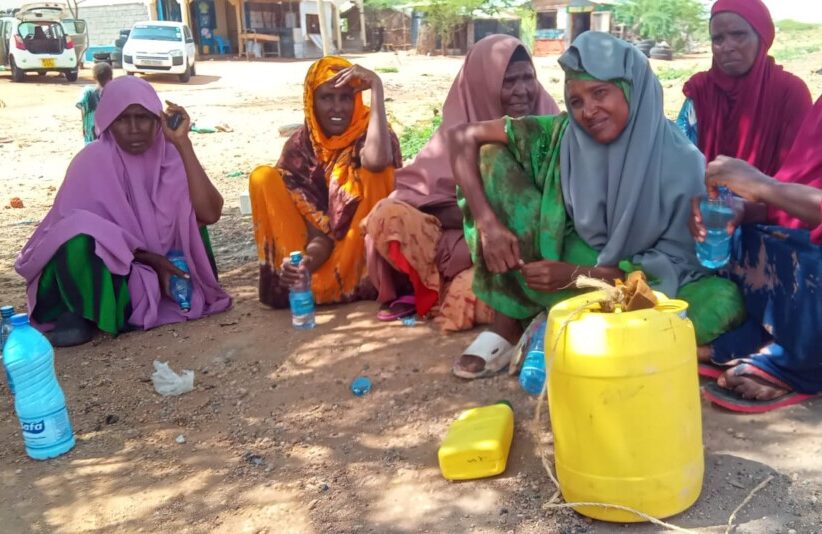
Tana River County is one of the toughest places in Kenya to make a living. Around 62–65% of people live in poverty, and one in four children under 5 faces malnutrition . Climate shocks like: long droughts, sudden floods, and shrinking grazing land, make life even harder for families who depend on camels for food and income.
Camel milk is a lifeline here. During dry seasons, it can provide up to half of a family’s nutritional intake . But the sector faces big challenges: water scarcity, poor access to veterinary care, milk spoilage, limited market access, and social barriers that hold back women traders.
Our project
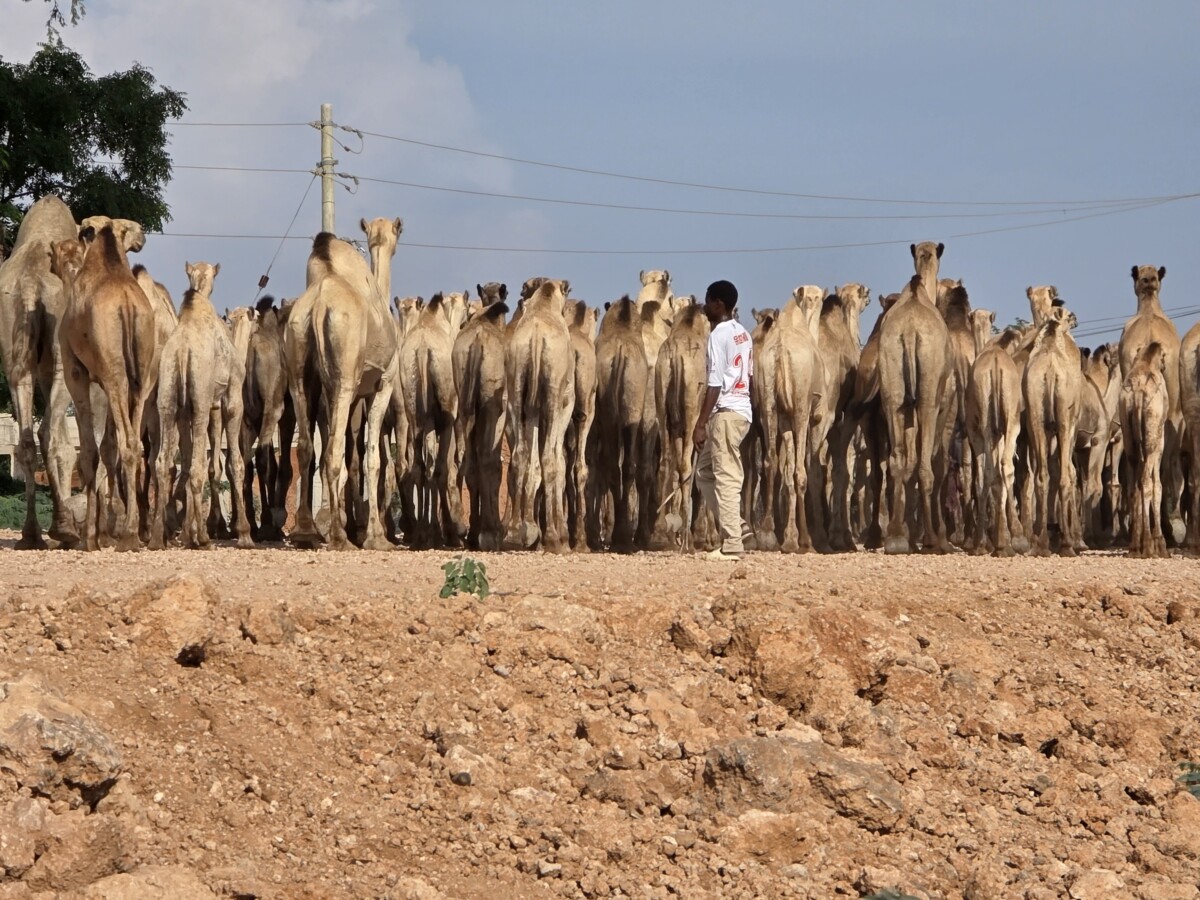
Building on our proven success in Kenya, where our 2021-2024 camel milk project in Garissa and Wajir significantly improved the lives of 29,869 people across 4,267 households, we are expanding our efforts to Tana River County. Our previous project saw incomes rise dramatically, up to 900% during the wet season, alongside strengthened community resilience through improved veterinary services, female trader training, and water point renovations. An independent evaluation confirmed that our approach has “irreversibly transformed the camel milk value chain.”
In Tana River County, where vulnerable families depend on milk sales for survival, we will implement the “Improved livelihoods and resilience to climate change; Camel Milk Project.” This community-driven initiative, co-designed with local producers and leveraging the expertise of our trusted local partner, SITE, will address critical barriers in the value chain. Expanding upon our previous success, we aim to reach more families at risk from drought in this climate-vulnerable region by training 1,880 camel owners, herders and milk traders and equipping them with the tools to increase earnings, and secure stable livelihoods. We will also improve milk handling, reduce spoilage, increase market access, and enhance water security for sustainable production.
Solar-Powered Camel Milk Cooling Centre: Strengthening the Value Chain
In Garissa County, extreme heat used to cause fresh camel milk to spoil within just a few hours, forcing women traders to sell quickly at low prices or lose their entire day’s income. The new solar-powered camel milk cooling centre is changing that. The facility now cools around 940 litres of milk every day, protecting a vital source of nutrition and income for pastoralist families.
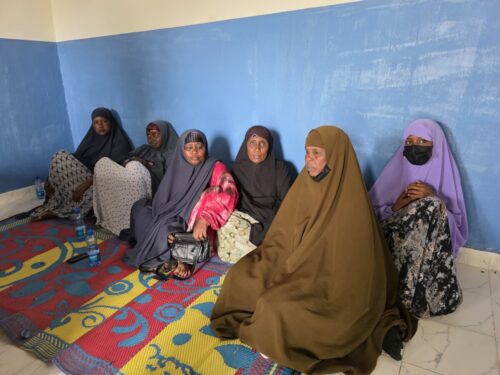
The centre is managed by 15 experienced women traders, known locally as bulkers, who selected the site, contributed to its setup, and now run it as a community business. With reliable cooling, these women have been able to scale their operations from selling a few litres to more than 200 litres per day, improving profits and creating a stable supply of fresh milk from early morning to late evening.
Alongside the cooling system, the women have completed intensive training in business management, hygiene, pricing and yoghurt-making, helping them diversify their income and reinvest in assets like goats to build long-term resilience.
The cooling centre is now a thriving community hub, reducing milk spoilage, improving food security, strengthening the camel milk value chain and supporting women to grow as confident business leaders in a climate‑challenged region.
Abdi’s Story:
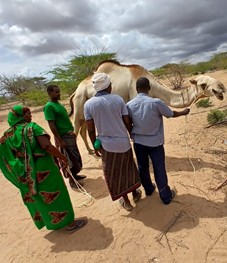
Abdi Gedi, 65, from Tana River County, has transformed his role in the community thanks to training from the Camel Milk Project. Once relying only on traditional livestock practices, Abdi is now a skilled Community Animal Health Worker (CAHW) supporting pastoralists across Sala Ward.
Through the project, Abdi received practical, hands‑on training in camel health, including how to diagnose common camel diseases and safely select and dose the right treatments. He immediately put these skills into action.
“After the training, I’ve been called by different families and treated 30 sick camels. Now that I know the correct drugs and doses, all the camels I’ve treated have improved and are doing well,” says Gedi.
Abdi has also trained 36 herders and camel owners, helping them move away from harmful practices like mixing drugs or under‑dosing to save money — mistakes that often led to losing animals. His support has resulted in healthier camels, better disease prevention, and stronger management of camel health across his community.
Abdi’s work shows how equipping local pastoralists with practical veterinary skills strengthens the camel value chain, improves household nutrition, and builds long‑term resilience in Tana River County.