

At APT, we’ve spent 6 years working side‑by‑side with smallholder farmers, local NGOs, and private‑sector partners in East and West Africa to tackle the root causes of child labour. Today, we’re sharing what we’ve learned in a new, practical briefing designed for businesses, ESG teams, B Corps, and anyone working to strengthen responsible sourcing.
This is a grounded, real‑world model that shows what actually works — combining household economic resilience, community accountability, and responsible business engagement.
The results speak for themselves:
- Hazardous child labour dropped from 98.9% to 5% in our Sierra Leone project area.
- School absenteeism among smallholder farming families plummeted from 73% to 18%.
- Over 15,000 community loans have been issued, making thousands of families more financially secure and resilient to poverty drivers.
THEORY OF CHANGE
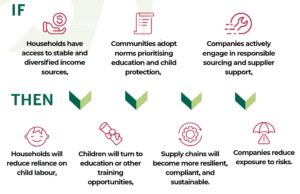
With new due‑diligence regulations rapidly approaching, many companies are looking for approaches that go beyond traditional audits and tick‑box compliance. Our experience shows that when businesses invest in the wellbeing and resilience of the smallholder farmers they rely on, the benefits flow both ways: stronger supply chains, better traceability, improved ESG performance, and deeper trust with suppliers.
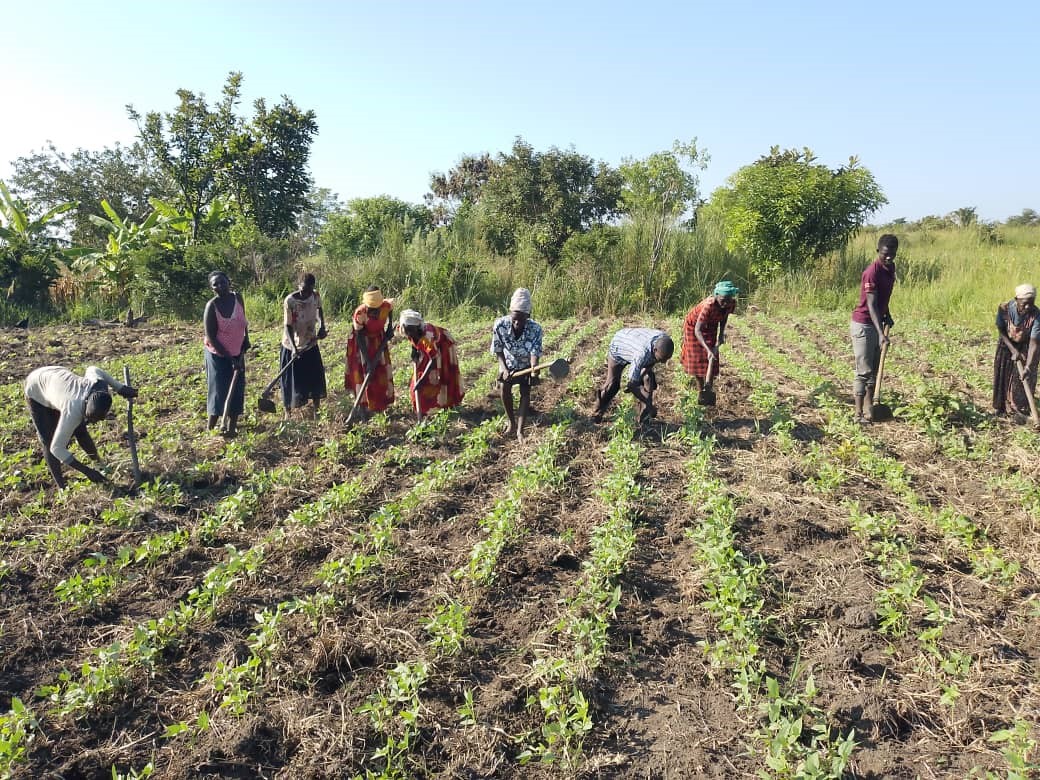
We hope this paper supports companies who want to take practical, meaningful steps, not just to meet requirements, but to build supply chains that customers trust, suppliers value, and that create long‑term resilience for everyone involved